No. 26Essay · ReceptionNot satire
S-Wine and Dine at Circe’s: why can’t a girl just turn men into pigs?
“Somehow the most famous punishment in Greek mythology ends with everyone looking better than when they arrived.”
October 17, 2026
“Somehow the most famous punishment in Greek mythology ends with everyone looking better than when they arrived.”
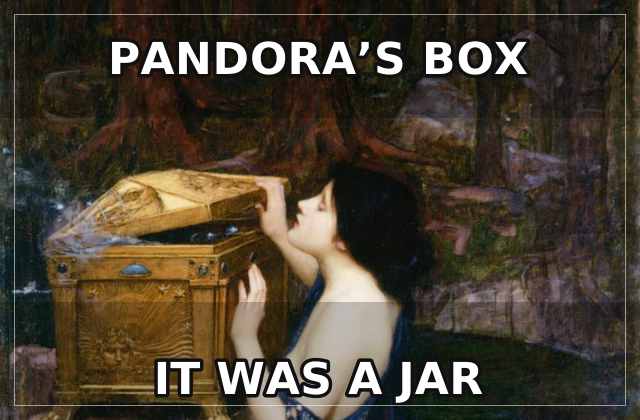
“A jar is something you’re supposed to open; that’s the whole point of a jar.”
“Old gesture, new hero, new story.”
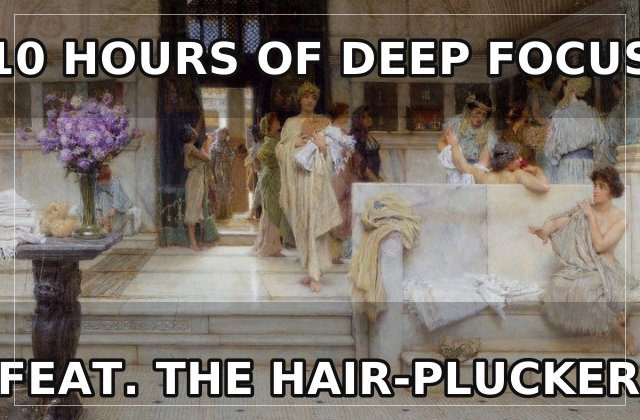
“studying for my latin final and the hair plucker has been going for six hours.”
“It still invokes the Muses, but now it also provokes us.”
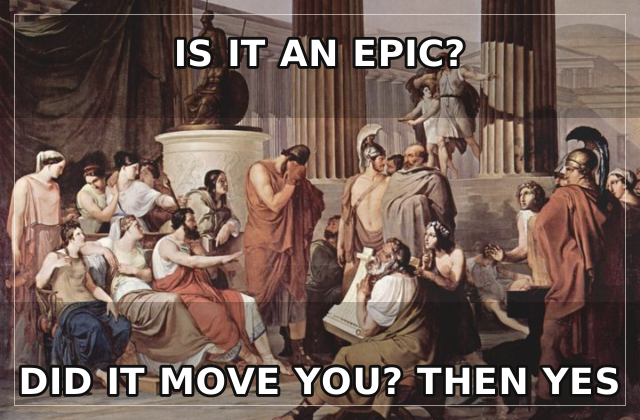
“So whether we laugh at gods caught cheating or weep at the fall of Troy, the verdict is all the same: epic.”
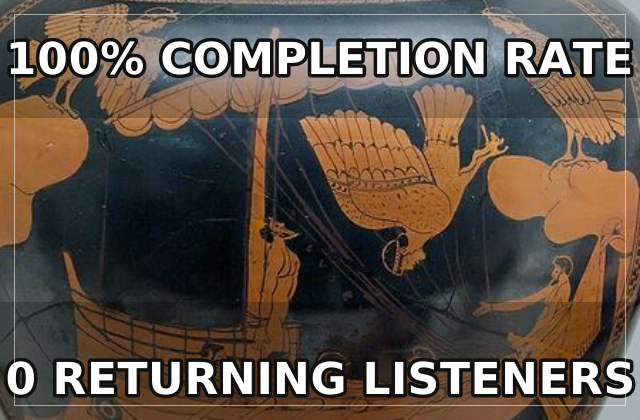
“None of your listeners have gone home.”
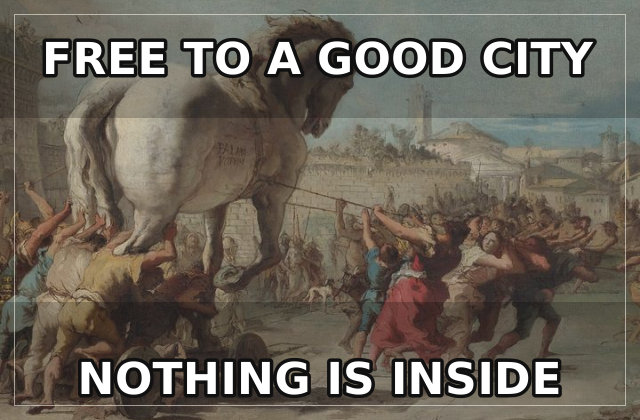
“We heard some clanking sounds from inside, but we’re fairly sure it’s just the wood settling.”
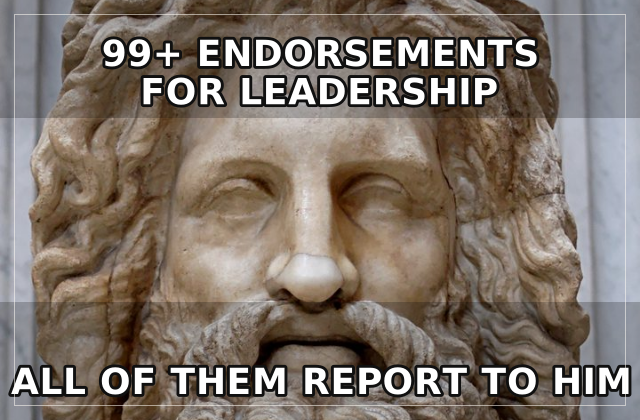
“I inherited a family business from a father whose approach to succession planning was to eat it.”
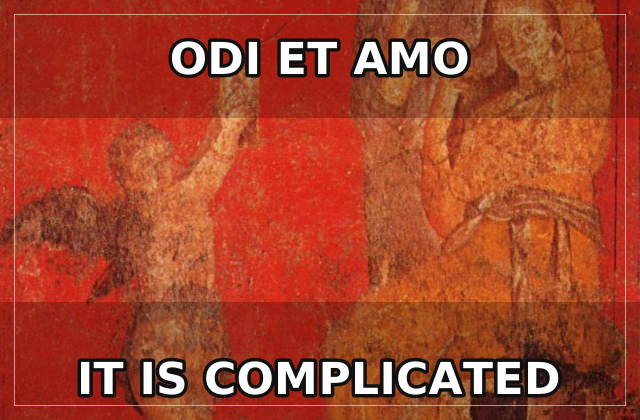
Two lines, eleven words, and a reading that takes excrucior down to crux and shows the poet sitting as the object of his own sentence. Not a parody: this is the scholarship the jokes stand on, and it argues that the Romans needed the language of crucifixion for what we now call a situationship.
Twenty-six, Libya, looking for something real, comfortable with snakes preferred, and absolutely no heroes. Written as a dating profile, it is a study in the voice of someone insisting she is not dwelling on it, in every clause.
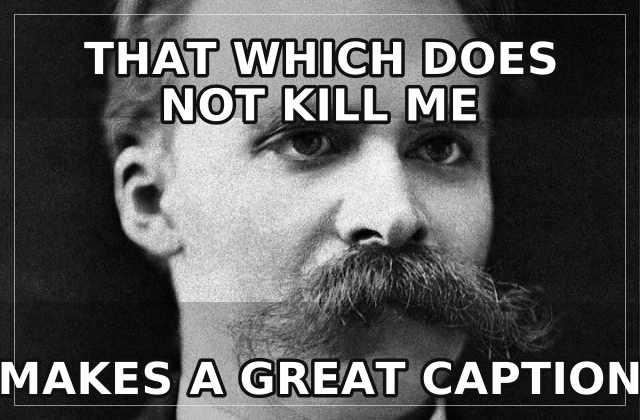
Twelve catastrophes, from a father’s death to a collapse in a Turin piazza, each one rated five stars by a man who meant amor fati literally. The review format is the argument: nothing on the list can be marked down without giving up the whole position.
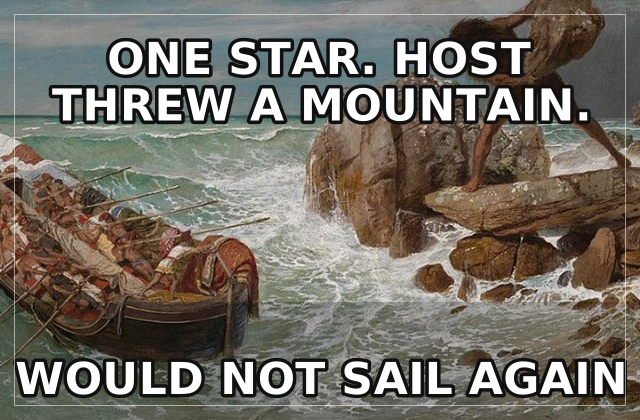
Estimated at three weeks, took ten years, and Scylla and Charybdis were drawn as a pleasant blue line with no warnings. The complaint is played completely straight, which is why the line about the dog lands as hard as it does inside a one-star review.
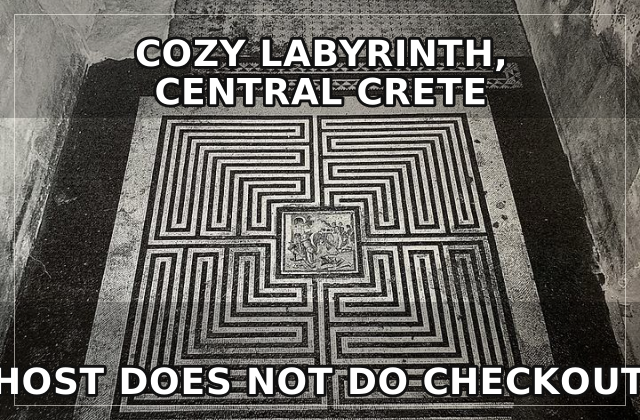
A short-term rental listing for the Labyrinth: unlimited bedrooms, no map, torch-based heating, and a host who is always home. The relentlessly upbeat, structurally evasive listing voice carries the whole thing, and Asterion’s own five-star reply at the bottom turns it sad on purpose.
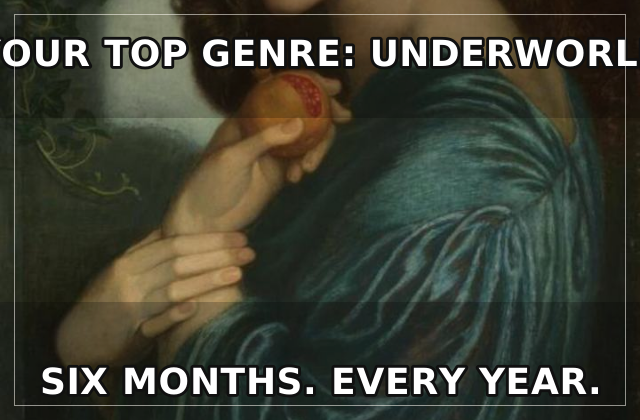
Ninety-six thousand minutes streamed, half of them from a location the servers can only identify as “below,” and a most-replayed song that is about the choice she made. The algorithm’s brittle customer-service cheer set against an annual abduction does the work, and the letter at the end from her top artist is where it turns.
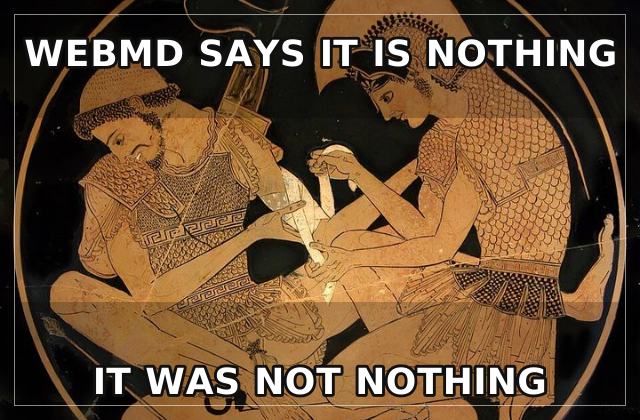
Achilles opens the symptom checker at 9:14 p.m. and reaches the fulfilment of an ancient prophecy by 10:19, by way of plantar fasciitis and bone cancer. It is an accurate rendering of the three-hour search spiral, and the prophecy was always going to be the diagnosis.
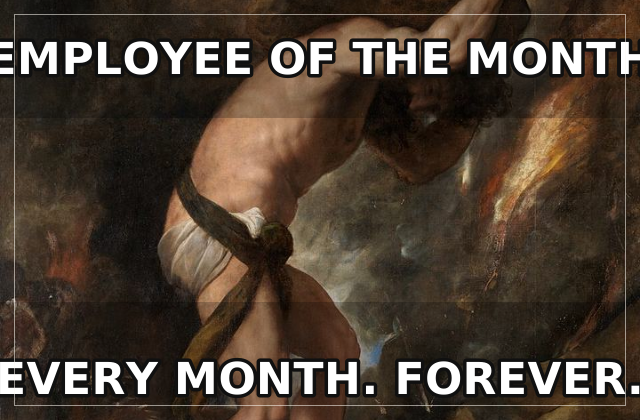
Tartarus Inc. sits employee #Z999 down for his quarterly review: uptime perfect, peak altitude stalled at 99.9%, core synergy with the boulder high. Eternal punishment turns out to be indistinguishable from a management framework, right down to the pivot to Boulder-as-a-Service.
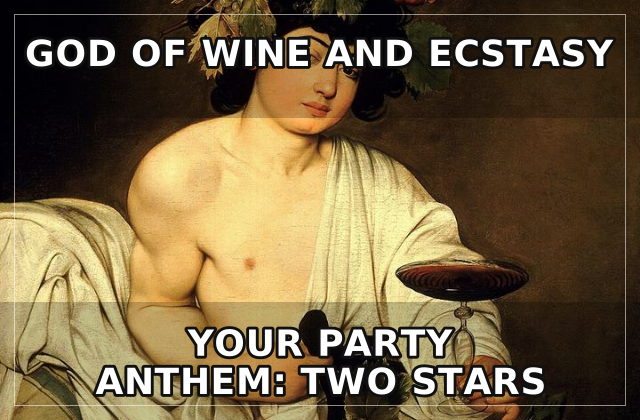
Dionysus reviews a non-alcoholic botanical apéritif, waits on his ottoman for the jalapeño to take him, and instead organises his amphora collection. Two stars: the drink is competent, calming, and a personal insult to the god of ecstasy.
Marcus Aurelius, interim operations, files a voluntary report to HQ on the oat milk crisis, a thirty-minute Wi-Fi outage, and the general collapse of arete on the seventh floor. The Meditations are quoted straight, and every quotation lands as passive aggression.
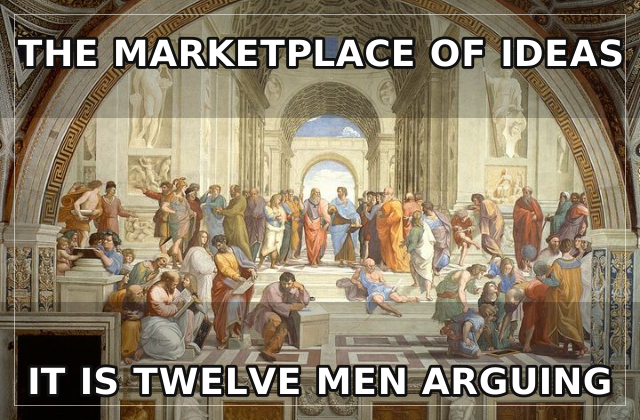
Socrates takes a hustle account through ten questions about what wealth is actually for, and is blocked at the exact moment the definition of value comes due. A working demonstration that the elenchus survives the transfer to a comment thread completely intact.
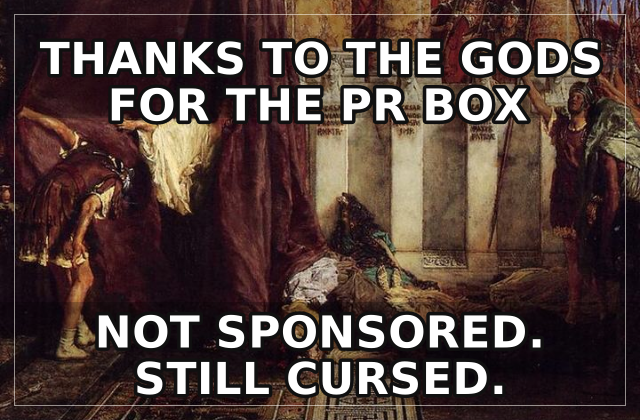
Pandora opens the PR box on a lyre-stream and loves all five items, then finds a sticker at the bottom marked hope, decides it does not match the aesthetic, and throws it away. The whole moral of the myth gets discarded in one aside about brand fit.
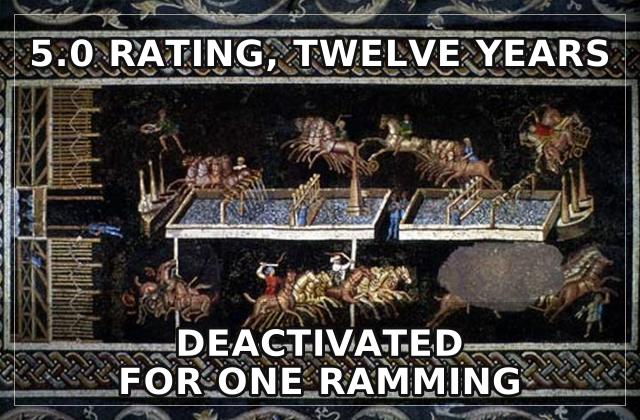
The gig economy arrives in Rome as a full terms-of-service: a No Catapult clause, a hazard charge for Trojan horses, and a driver deactivated for jousting his way into a bakery. The funniest thing on the page is how little the boilerplate has to change to fit.
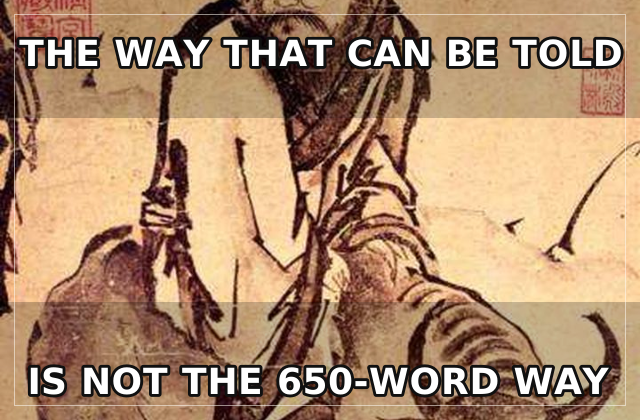
The Dao De Jing fills out the Common Application: no address, a 400 on the SAT, an essay that refuses the prompt on principle, and a counselor recommendation that is a drawing of a circle. Rejected. The gag cuts both ways, at the paradoxes and at a form that cannot read one.
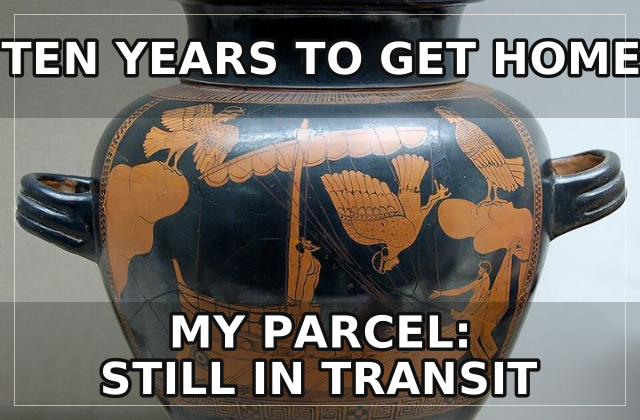
A $2.99 matcha whisk is sung home from Guangzhou in seven epic parts, past the One-Eyed Scanner of the sorting hub and the support bot who answers nothing. The parody holds because a shipping-status page really is built like a homecoming, and the joke is that nobody had said so.
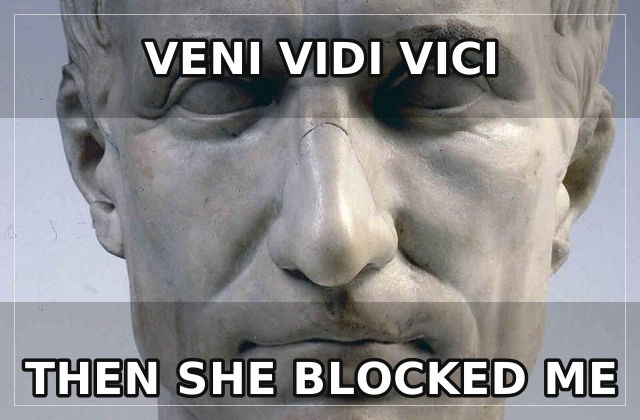
Julius Caesar opens an account, finds Cleopatra’s, and discovers that being blocked is worse than being stabbed. The comedy is in the register: a conqueror’s dispatch written in the vocabulary of a man refreshing a comment section at two in the morning.
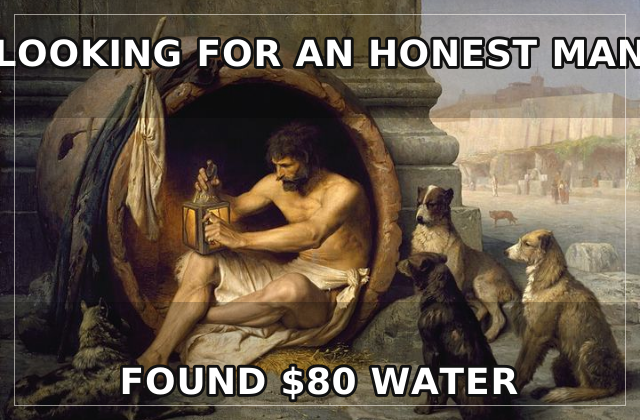
The Cynic who lived in a barrel walks into a grocery store selling an $80 case of spring water, lights his lantern to look for an honest man, and is asked whether it is a vintage prop. He leaves with a bruised apple, the only thing in the building that is what it says it is.